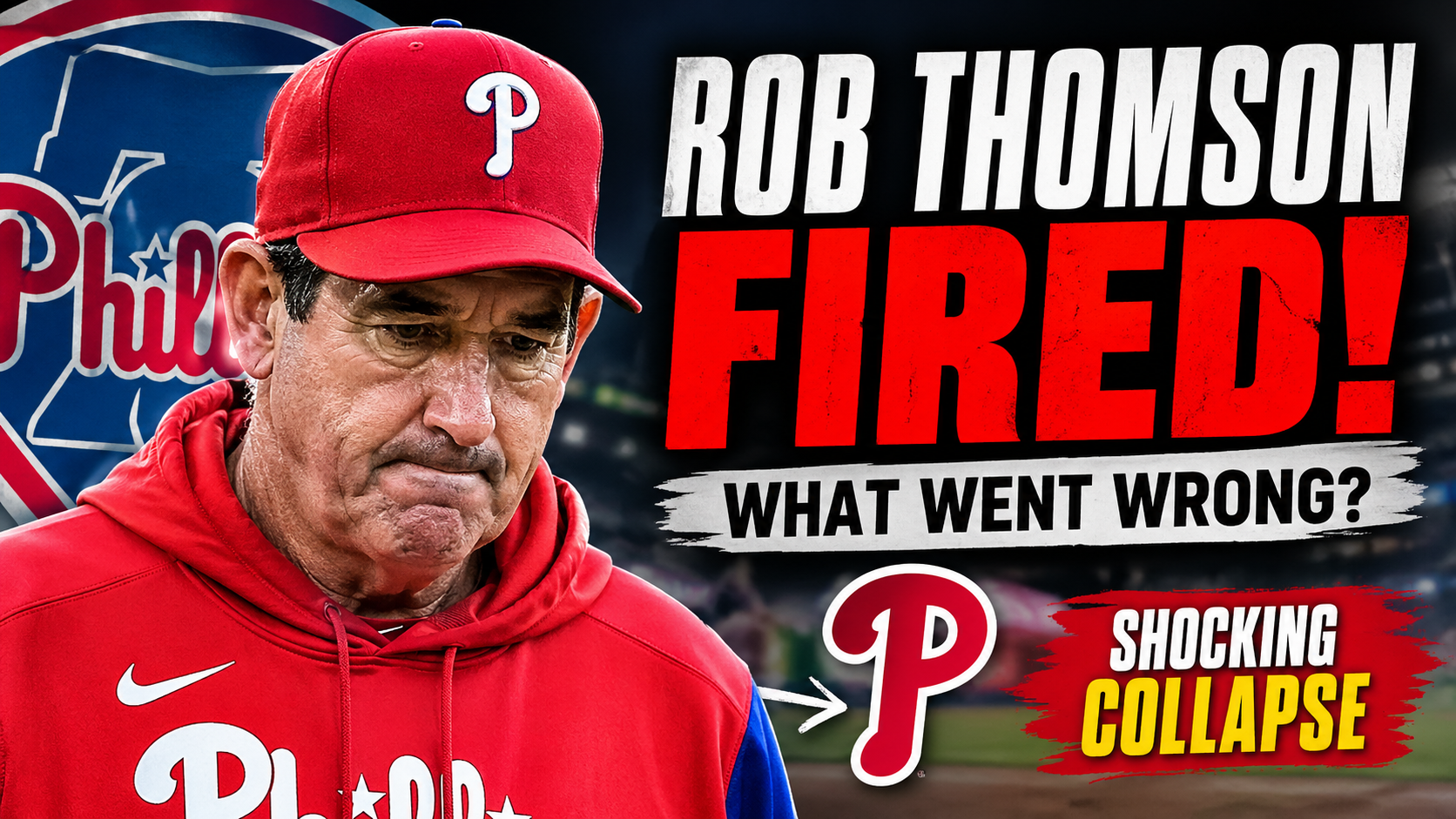
It didn’t feel real at first because Rob Thomson fired.
One moment, Rob Thomson was still the calm presence in the dugout—same expression, same steady demeanor. The next? Gone.
Fired.
Just like that.
And if you’ve followed the Philadelphia Phillies over the past few years, you know why this hits differently. This wasn’t some random manager on a rebuilding team. This was the guy who helped bring October baseball back to life in Philly.
Which makes the question unavoidable:
How does it fall apart this fast?
Article Contents
Rob Thomson fired: This Wasn’t Supposed to Happen
Let’s be honest—this team wasn’t built to struggle.
Not even close.
You’ve got stars like Bryce Harper and Trea Turner in the lineup. A proven ace in Zack Wheeler. A fanbase that shows up, loud and demanding.
This is a win-now roster.
And yet… 9–19.
That’s not a slow start. That’s a collapse.
And what made it worse? There wasn’t just one obvious problem you could point to and say, “Fix that and everything changes.”
Everything looked off.
The Offense Didn’t Just Struggle—It Disappeared
There’s struggling… and then there’s whatever this was.
At times, the Phillies lineup looked lost. Not overmatched—just… disconnected.
You’d watch an inning and think, okay, here comes the rally. Then three quick outs. No pressure. No fight.
That’s not what this team used to be.
Harper didn’t look like Harper. Turner couldn’t find rhythm. The middle of the order? Quiet when it mattered most.
And here’s the part people don’t always say out loud:
This didn’t feel like bad luck. It felt like a bad approach.
Too aggressive early in counts. Chasing pitches. No adjustment from game to game.
At some point, you stop blaming timing—and start questioning preparation.
Pitching: The Slow Leak That Became a Flood
If the offense was frustrating, the pitching was exhausting.
Not terrible every night—but unreliable enough to drain the team.
Zack Wheeler did his job. That’s the thing. Your ace showed up.
But baseball isn’t a one-man show.
The rest of the rotation? Inconsistent. Sometimes decent, rarely dominant. And when they faltered early, it put pressure on a bullpen that clearly wasn’t ready for that workload.
Then came the late innings.
Leads slipping. Close games turning into losses. That quiet feeling of inevitability setting in when the bullpen door opened.
You could almost sense it coming.
And once a team starts expecting things to go wrong… they usually do.
Something Felt Off in the Dugout
This is where it gets tricky.
Because Thomson’s biggest strength was never strategy—it was people.
Players respected him. Trusted him. Played for him.
But even the best voices can fade if the message stops landing.
And watching this Phillies team, you couldn’t ignore it:
- The energy wasn’t there
- The urgency felt missing
- Mistakes kept repeating
No visible anger. No spark. No shift.
Just… the same game, different night.
That’s when front offices start asking uncomfortable questions.
The Timing Feels Ruthless… But Not Random
Here’s what makes this whole situation feel almost brutal:
Days before the firing, there were reports saying Thomson wasn’t even on the hot seat.
Then suddenly—he’s out.
It feels harsh. And honestly, it is.
But it’s not random.
Teams don’t panic like this unless they feel something slipping away. Not just games—but control.
This wasn’t just about 9–19.
It was about the fear that 9–19 could become something worse.
Enter Don Mattingly… But Is It Enough?
Now the responsibility shifts to Don Mattingly.
And on paper, it makes sense.
Experienced. Respected. Calm, but firm.
But let’s not pretend a managerial change is a magic fix.
Because here’s the uncomfortable truth:
If your best hitters aren’t hitting… and your pitchers aren’t executing… what exactly is a new manager fixing overnight?
Mattingly can change the tone. Maybe tighten discipline. Maybe shake a few things loose.
But he’s not stepping into an easy situation.
Rob Thomson fired: Was Rob Thomson the Problem? Or the Easy Answer?
This is where opinions start to split.
On one side, you have the obvious argument:
- Team underperforming
- No visible adjustments
- Losing streak getting worse
Something had to change.
On the other side?
This is the same manager who led a deep playoff run. The same voice players believed in not long ago.
So what changed?
Did Thomson suddenly forget how to manage?
Or did the team simply stop executing?
The truth probably sits somewhere in the middle—but let’s not ignore the pattern.
In sports, when things go wrong, the manager is usually the first to go.
Not always because they’re the biggest problem.
But because they’re the most replaceable solution.
This Feels Bigger Than One Man
If you zoom out, this doesn’t feel like just a managerial story.
It feels like a team at a crossroads.
Are the Phillies still contenders—or are they living off past momentum?
Has the core peaked?
Is the roster balanced enough to survive slumps?
These are harder questions. The kind you can’t fix with one decision.
What Happens Now?
The season isn’t over. Not even close.
But it’s fragile.
One good stretch, and suddenly this looks like a bold, smart reset.
One more losing streak, and this firing starts looking like the first domino.
Short term, it’s about stopping the bleeding.
Long term? It’s about figuring out who this team actually is.
Rob Thomson fired: Fast. Unforgiving. Ruthless.
There’s something uncomfortable about how fast things changed.
A manager who helped bring success back to the franchise—gone before the season even found its rhythm.
But that’s modern sports.
And maybe that’s the real story here.
Not just that Rob Thomson got fired…
But how quickly success can turn into pressure—and pressure into a decision you can’t undo.
Rob Thomson Fired by Phillies After Shocking Collapse – What
It didn’t feel real at first because Rob Thomson fired. One moment, Rob Thomson was still the calm presence in the…

Who is Sahil Parakh? The 18-Year-Old India U-19 Star Shocking
Every year, India produces young cricketers with promise. Most fade into the background.A few survive.And then… there are some who just…

Jannik Sinner: Latest News, Ranking, Net Worth, Girlfriend & Career
Jannik Sinner is dominating tennis in 2026. Explore his latest news, ranking, net worth, girlfriend, stats, and full career journey…

Ananya Birla Biography: Age, Education, Husband, Net Worth, Entrepreneur Journey
Ananya Birla has become one of the most influential young entrepreneurs and public figures in India. People anticipated that she…
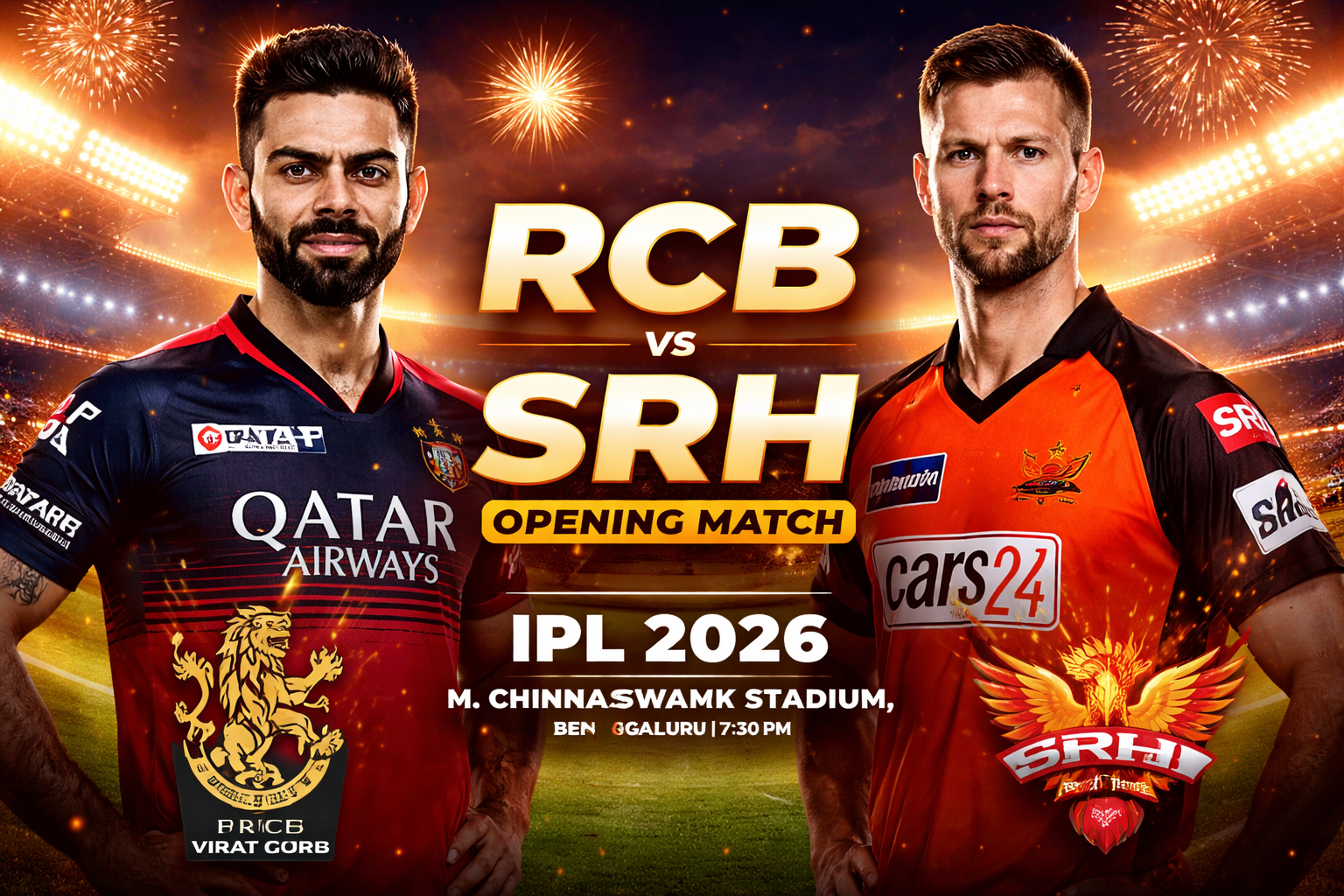
RCB vs SRH IPL 2026 Match 1 Preview: Pitch Report,
The wait is finally over because IPL 2026 is now beginning with its first match which features Royal Challengers Bengaluru…

How to Watch IPL 2026 Live Anywhere — Official Broadcast
The Indian Premier League (IPL) 2026 returns with its full T20 spectacle and fans throughout the worldneed to learn How…